A player has heard a few teammates and coaches talk about working with a sport psychologist and even seen some stuff online about it. Part of them is curious if it could help, but they don’t really know what’s involved or what to expect.
At its core, sport psychology focuses on two key areas: mental health and performance factors. Both of these are interrelated and effect each other.
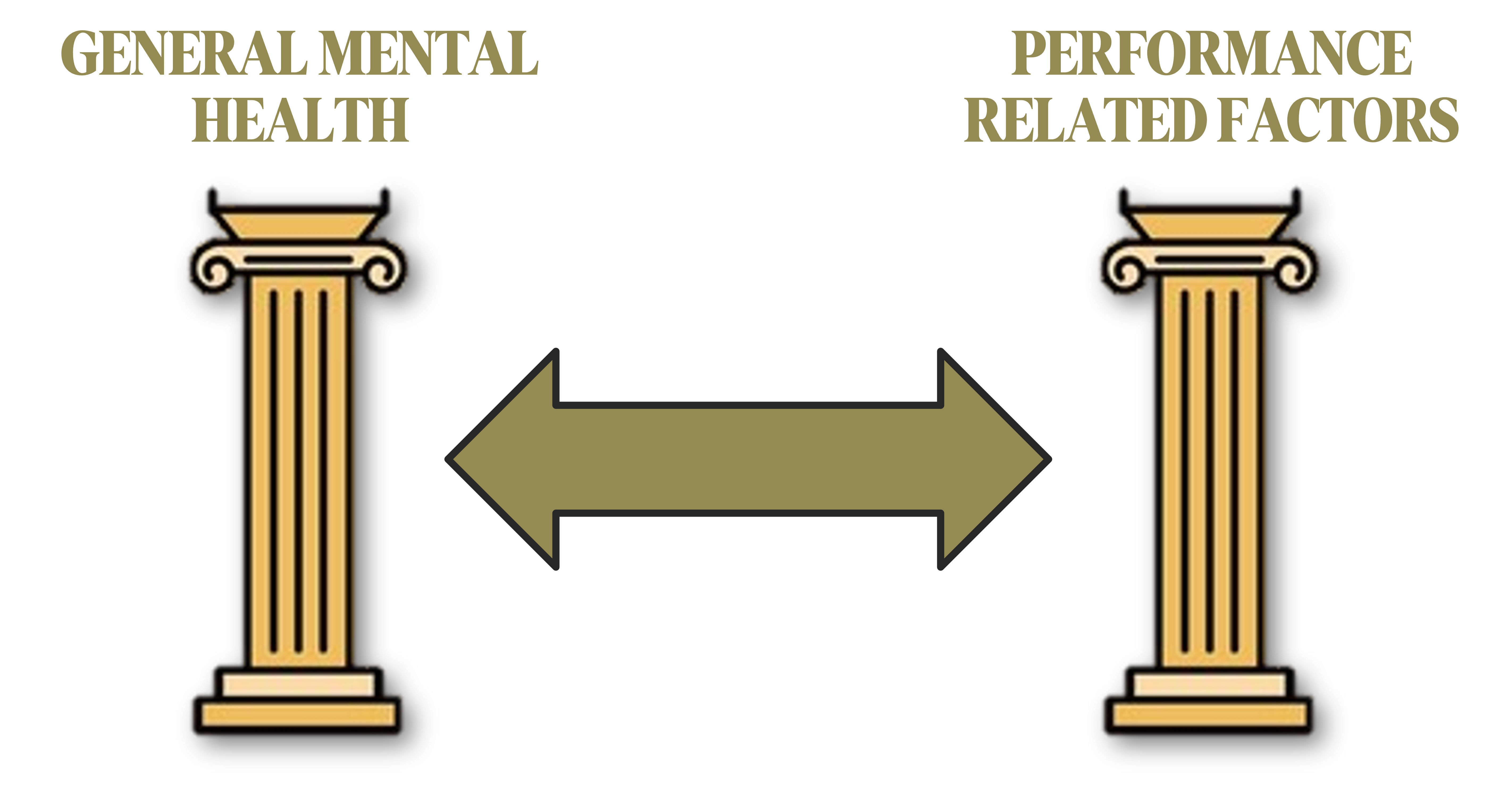
Supporting athletes through everyday stresses and challenges, whether it’s school, work, family, or recovering from injury. Sport psychologists provide a safe space to talk openly, build self-awareness, and develop healthy coping strategies. Often, it’s about simply having someone to listen and reflect with, much like a coach supports your body, but for your mind.
Involve the mental skills that help you perform your best under pressure. Like physical training builds strength and endurance, psychological skills build focus, confidence, and resilience. For example, a footballer might use visualization to rehearse scoring, a runner might develop strategies to stay focused in the final lap, or a tennis player might use routines to calm nerves before a serve. These tools help athletes access their best when it counts.
Below are some of the most commonly used tools in sport psychology

Think of sport psychology like a strength and conditioning coach, but for your thoughts and emotions. Just as physical training builds your body, mental training builds your mind.

(^ Any event that causes a 'mental strain' leading to a negative impact on performance, confidence, or wellbeing)
It involves:
The goal is to create tailored mental training plans, track progress, and boost wellbeing and performance on and off the field.
Sport psychologists don’t “fix” you or tell you what to do. It’s a collaborative process, working together to understand what matters to you and building strategies that fit your needs.
Self-awareness is key. Athletes often focus so much on training that they forget to check in on their thoughts and feelings. Developing this awareness is often the first step toward both better wellbeing and improved performance.
Remember, everyone faces challenges, whether you’re a recreational player or a professional. You don’t have to handle it alone. Sometimes, just talking things through can make a big difference.
Ultimately, sport psychology helps you perform your best and supports you to be a balanced, healthy person. Because success in sport isn’t just physical, it’s also about how you think, feel, and respond.